
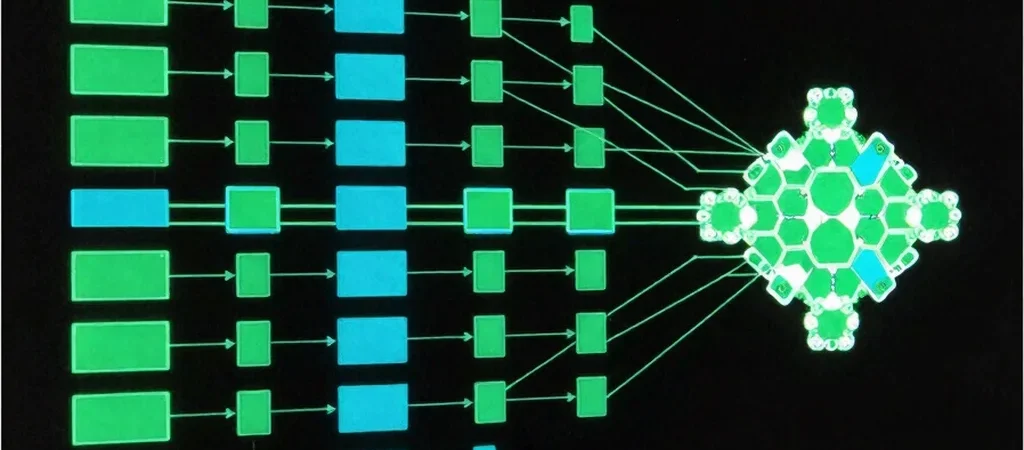
An unseen object class is easier to reason about when the representation is not treated as one indivisible label. The proposed hierarchy, φ(x) → ψ(φ) → z(ψ) → β(z), moves from an input through edges, corners, and formal parts toward a class-level representation. That structure is relevant to compositional zero-shot learning because it makes recombination conceivable.
Read the hierarchy in order
Start with φ(x), the representation of an input in terms of primitive features such as edges. ψ(φ) builds on those features with structures such as corners, and z(ψ) groups structure into formal parts before β(z) represents the resulting class-level pattern. The notation gives a sequence of representational levels, not a complete account of how each level is learned.
Why composition matters
In compositional zero-shot learning, the motivating possibility is that a system could recognize an unseen class through a novel combination of parts it has already represented. A hierarchy of primitives and parts gives that possibility a place to live: the class need not be modeled only as an atomic label. But the existence of the hierarchy alone does not show that the system can identify a new combination.
Structure is not a result
The proposal establishes a conceptual alignment with compositional learning, not demonstrated prediction performance. To judge recognition, we would need a specified model and evidence about how it handles unseen combinations; neither follows from the arrows alone. Keep the distinction clear: a compositional representation makes a kind of generalization expressible, while evaluation would show whether it works.